
Electric Car Rental Croatia
Compare electric car rental deals in Croatia and plan your trip with practical EV charging, route and driving advice.



3000+ happy customers booked this month · Most chose 3-5 day rentals
Book 7 days early → 15% cheaper
Available Models
Popular Electric Car Rentals in Croatia

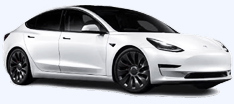
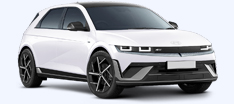
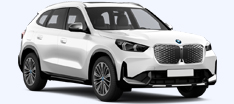
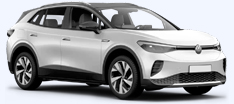
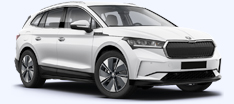
⚠️
Electric vehicle availability: Specific models, suppliers and vehicle categories can vary by rental location and travel date. Vehicles shown as “or similar” are not guaranteed unless the exact model is confirmed at booking. Book early if you need a particular electric model or transmission.
Charging Coverage by Region
| Region | Charging availability |
|---|---|
| 🏙️ Zagreb | Highest concentration |
| 🌊 Split-Dalmatia | Strong coverage |
| 🌲 Primorje-Gorski Kotar | Good coverage |
| 🌿 Istria | Good coverage |
| 🏖️ Zadar County | Good coverage |
| 🏰 Dubrovnik-Neretva | More limited outside main tourist centres |
| 🌾 Zagreb County | Growing network |
🧳
Luggage Tip: Luggage capacities are approximate and assume all passenger seats are in use. Folding the third-row seats in compatible 7-seater models can significantly increase boot space when travelling with fewer passengers.
Is an EV right for your trip?
Who benefits most from electric car hire in Croatia?
Electric car hire in Croatia can be a great fit for some itineraries and less practical for others. Your route, daily mileage and access to charging matter more than the fuel type alone.
🚗 Road-trippers on major routes
Zagreb → Split → Dubrovnik
Major Croatian road trip routes are increasingly suitable for EV travel, especially when you are able to plan charging stops easily around your itinerary.
Best for: Longer driving days with planned charging stops
🌱 Eco-conscious travellers
Lower-emission travel around Croatia
EVs produce no tailpipe emissions, making them an option for travellers looking to reduce local vehicle emissions.
Best for: Travellers prioritising lower-emission transport
🏢 Business travellers & city visitors
Zagreb, Split & other major cities
Great for work trips, EVs are a great choice for city driving and predictable distances. Make sure to check charging availability at your hotel, office or parking location.
Best for: Airport-to-city trips and local business travel
🏝️ Island-hopping itineraries
Plan charging before you take the ferry
Islands like Hvar, Vis, Brač, Korčula, and Mljet have limited charging infrastructure; hence, check your destination’s charging options before travelling.
Best advice: Confirm island charging before booking an EV
💻 Multi-week & slow-travel stays
Base yourself in one location
Ideal for digital nomads on multi week stays, electric vehicles make it convenient to charge at accommodation, simplifying longer stays in a single location.
Best for: 1–4 week stays with moderate daily driving
🏖️ Short-distance beach holidays
A petrol or hybrid may be simpler
For itineraries that involve driving short distances between your hotel and destinations, electric cars only offer small fuel savings as compared to petrol or hybrid vehicle.
Best advice: Compare total rental cost, not just energy cost
Where EVs Work & Where they DON’T
Route-by-route EV guide for Croatia
Not all Croatian routes suit an electric car equally. Here’s the practical picture based on charging availability, route length and terrain.
🟢 Works Well
Istrian loop
Pula–Rovinj–Poreč–Rijeka
🛣️ ~200 km · ⚡ Good charging coverage around major towns
EV-friendly route
Zagreb → Split
Pula–Rovinj–Poreč–Rijeka
🛣️ ~400 km · ⚡ Multiple charging options along the A1; 1–2 stops may be needed
Split → Dubrovnik
Pelješac Bridge
🛣️ ~230–250 km · ⚡ Charging options around Makarska, Ploče and Dubrovnik
Zagreb → Zadar
A1 motorway
🛣️ ~285 km · ⚡ Multiple charging options along the A1 and around Zadar
🟡 Plan Carefully
Split → Plitvice
🛣️ ~250 km · ⚡ Plan a charging stop before leaving Split and check options near Plitvice
Zadar → Plitvice
🛣️ ~130 km · ⚡ Manageable distance; check your destination charging option before travelling
Dubrovnik → Kotor
Montenegro
🛣️ ~90 km · ⚡ Charging is available in Kotor, but options are more limited
⚠️ Cross-border rental permission is required.
Krk Island
🛣️ Varies · ⚡ Good island coverage, but check charging at your accommodation
🔴 Avoid / Petrol or hybrid may be better
Multi-island hopping
(Hvar → Brač → Korčula → Vis)
🛣️ Varies · ⚡ Charging depends heavily on the destination and accommodation.
Verdict: Petrol/hybrid may be better for frequent island changes.
Remote Dalmatian hinterland loop
Inland roads & mountain routes
🛣️ Varies · ⚡ Longer climbs increase energy use, and charging is less predictable.
Verdict: Petrol/hybrid may be better for remote itineraries.
⚠️
Terrain matters: Steep climbs can increase EV energy consumption, particularly on mountain and inland routes. For longer or mountainous journeys, start with a comfortable battery reserve and identify your next charging stop before you need it.
Charging infrastructure
The Croatian charging network — what you need to know
Croatia’s public charging network covers major cities, motorways and tourist destinations, with several operators offering AC and fast DC charging. Check charger availability and payment requirements before setting off.
HEP ELEN
🟢 Largest Croatian network
Croatia’s primary public EV charging network, ELEN has widespread coverage spanning major urban centres, intercity routes, and key motorways across Croatia. At charging stations, three connector types are available: Type 2, CCS, and CHAdeMO, with both AC and DC charging (up to ultra-fast speeds on major transit routes like the TEN-T corridors) available at different locations suitable for all standard electric vehicles on the market.
📍 Available nationwide, including major motorway routes
IONITY
⚡ High-power charging
IONITY’s high-power network uses CCS2 chargers and provides fast charging at selected locations along major European travel routes, including Croatia. Their charging stations are easy to find and conveniently located on or near major Croatian highways. Supporting modern EVs with Plug & Charge technology for seamless plug-in and automated billing, they also follow the European Charging Standard (CCS) for the widest EV compatibility.
📍 Best suited to fast motorway charging
INA Stations
⛽ Fuel-station charging
INA supports EV charging at all major highway routes (such as the A1, A3, A4, and A6) in Croatia, offering a mix of DC fast-charging and AC options (such as 50 kW DC and 43 kW AC) using standard European connectors, including CCS Combo 2, CHAdeMO, and Type 2 AC plugs. INA service stations in Croatia offer EV charging through a partnership with HEP’s ELEN network.
📍 Selected A1 fuel stations; Split, Zagreb city
Tesla Supercharger
🔌 Tesla + selected CCS EVs
With a growing presence across Croatia, Tesla Supercharger has EV charging networks across all major travel corridors and around cities including Zagreb, Zadar, Split and Vrgorac, as well as several locations along the A1. Non-Tesla vehicles can now use Superchargers with a CCS2 adapter in select locations. Check the Tesla app to confirm access, live availability and pricing before your journey.
📍 Zagreb, A1 corridor, Zadar, Split & other locations
📱 Essential Apps to download before you land:
With a growing presence across Croatia, Tesla Supercharger has EV charging networks across all major travel corridors and around cities including Zagreb, Zadar, Split and Vrgorac, as well as several locations along the A1. Non-Tesla vehicles can now use Superchargers with a CCS2 adapter in select locations. Check the Tesla app to confirm access, live availability and pricing before your journey.
- HEP ELEN: Find ELEN chargers, check station information and start charging. The ELEN app also provides notifications about malfunctions, maintenance and operational issues.
- IONITY: Useful for locating and using IONITY’s high-power motorway chargers.
- PlugShare: Helpful for checking chargers from multiple networks and reading recent user reports.
- ABRP (A Better Routeplanner): Plan longer EV journeys using vehicle-specific range, charging stops and route conditions.
Before you book
5 things to know before renting an EV in Croatia
Download charging apps before you fly
A few EV charging apps require prior registration, which can be time-consuming when you are standing at the motorway charger with your battery down to 15%. Download apps such as HEP ELEN, IONITY, PlugShare and Tesla before arriving in Croatia for a hassle free start to your trip. Also make sure to confirm your rental vehicle’s connector type at collection and check it matches your planned route’s chargers.
Check your route in ABRP before each long journeyor itineraries that involve
Specifically for electric vehicles (EVs), a Better Routeplanner (ABRP) is a web and mobile app that calculates efficient long-distance travel paths by factoring in your specific EV model, battery state of charge, topography, weather, and real-time DC fast-charging station availability to eliminate range anxiety. This can come in especially handy if you are travelling through Croatian mountain terrain.
Confirm island accommodation has a charger before booking the EV
Most Croatian islands, including Hvar, Vis, Brač, Korčula, and Mljet, have fewer public fast-charging options than mainland destinations. While hotel or apartment charging can make a big difference on multi-day stays, it’s worth double checking the availability of chargers at your destination before taking the ferry.
Bring or request a Type 2 cable
While high-power chargers come with their own cables, at slower charging stations you may need your own Type 2 cable. This can come in handy when charging at your destination. Electric car rentals don’t always come with one stashed in the boot, and in Croatia you might have to rely on slower AC chargers or destination charging. It’s worth checking with the rental company if a Type 2 cable is included in the car, and if not, whether you can rent or borrow one for the trip.
Ask for a full charge and a preheating walkthrough at pickup
Crucial for winter EV travel plans, start your journey with a full battery, and precondition it before driving if possible. This can help preserve the vehicle’s range and get the battery ready for faster charging later. If you aren’t familiar with the car’s menu, ask the supplier’s associate at pickup to show you the preheat/preconditioning option (and whether it can be timed) before you leave the rental lot.
Category Highlights
Key Facts at a Glance
Common models
VW ID.4, Škoda Enyaq
BMW iX1, Ioniq 5, Tesla Model 3
Charging cost
Typically cheaper than petrol
Public rates vary by network & charger speed
Daily rate
~€55–150/day
Varies by season, supplier & vehicle
Connectors
Type 2 + CCS2
Standard for most European EVs
Best routes
A1, Split–Dubrovnik, Istria
Islands & inland routes: plan charging
Zagreb
One of Croatia’s best-served cities
Extensive public charging network
Split-Dalmatia
Strong charging coverage around Split
Plan ahead outside major towns
Mountain driving
Higher energy consumption
Allow extra range for steep climbs
Island coverage
More limited than mainland
Check charging before ferry trips
Availability
Smaller rental fleet
Book early, especially in summer
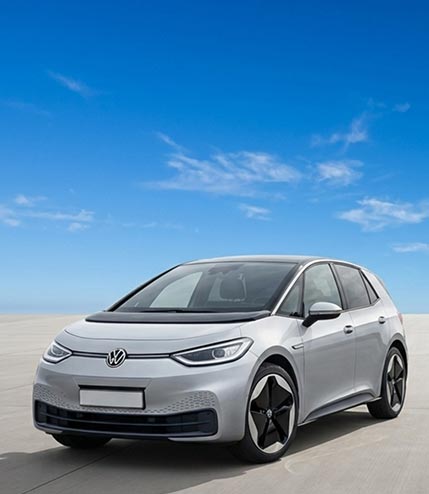
Future Ready. Zero Emissions
Electric Car Hire Croatia
Compare Categories
Other Car Categories
Automatic Car Rental
No clutch – stress-free driving on mountain roads and coastal hairpins.
Convertible Car Rental
No clutch – stress-free driving on mountain roads and coastal hairpins.
Economy Car Rental
Fuel-efficient and budget-friendly for solo city or coastal travel.
Full-Size Car Rental
No clutch – stress-free driving on mountain roads and coastal hairpins.
Luxury Car Rental
BMW, Mercedes, and Audi options for premium and corporate travel.
Monthly Car Rental
Lowest per-day rate available for stays of 30 days or more.
Standard Car Rental
A reliable balance of comfort and space for most trip types.
Your help hub
Frequently Asked Questions
- Before You Book (Cost & Value)
- Booking & Requirements
- Driving in Croatia
- On the Road & Support
💵
Is an EV rental worth the extra cost compared to a petrol car in Croatia?
It depends on your trip. An electric rental can be worth the higher daily rate if you are driving longer distances and staying in destinations with convenient charging. Charging can cost significantly less, particularly when using lower-cost AC charging.
On the other hand, for short trips which require limited driving, savings might be offset by the higher rental price for EVs. A petrol or hybrid car is usually cheaper and more practical for shorter routes. Here’s a quick side by side comparison:
| EV may be better if… | Petrol/hybrid may be better if… |
| You have access to overnight charging | You won’t have reliable charging |
| You’re covering longer distances | You’re mainly making short trips |
| Your accommodation offers charging | You’re moving between islands frequently |
| You want lower energy costs | You prioritise maximum route flexibility |
Practical Takeaway: Rent an EV if you value lower running costs, quieter driving and have easy access to charging. If your priority is the lowest overall rental cost and maximum flexibility, a petrol or hybrid car may be the better choice.
💳
How much does it cost to charge an electric car in Croatia?
Charging costs in Croatia vary based on a multitude of factors. The following gives a general guide to major charging networks; check the relevant app for the current tariff before charging:
| Charging network | Typical speed | Typical price |
| HEP ELEN | AC + DC, up to 50+ kW | €0.35–0.78/kWh¹ |
| IONITY | Up to 350 kW | ~€0.79/kWh² |
| INA ePunjači | Up to 150 kW | ~€0.48/kWh³ |
| Tesla Supercharger | Up to 250 kW | ~€0.45–0.55/kWh⁴ |
⚠️ Prices are indicative and may vary. Check the relevant charging app for the latest tariff before charging.
As a general guide, prices may differ depending on:
⚡ Charging speed: AC, DC or ultra-fast charging
🌙 Time of day: Daytime or overnight charging
🔌 Charger type: Different charger types may have different rates
🕐 Charging duration: Some networks charge differently based on session time
⏱️ Overstay fees: Extra fees may apply after the permitted charging period
🛣️ Location: Highway, motorway and roadside chargers may have different rates
🛡️
How much security deposit should I expect when renting an EV in Croatia?
Rental deposit for electric cars in Croatia generally ranges between €900 – €2,500, depending on the rental company, car category, and insurance coverage. The deposit is blocked (not charged) on the main driver’s credit card and is usually released within 5 to 14 working days after the rented vehicle is returned in its original condition and without incurring any fines.
➡️
Are there extra fees for one-way EV rentals between Croatian cities?
Yes. Renting an electric car for one way travel between Croatian cities can incur an additional drop-off fee. The amount varies by rental company, vehicle and route, so there is no standard EV one-way fee. Most commonly, the fee is included in the rental price, and you can expect the specific amount to be specified in the terms and conditions.
↩️
What happens if I return my rental EV with less charge than required?
It’s generally best to return the electric car rental with the same or a higher battery level than at pickup. If the battery falls below the rental company’s required return level, you may be charged a recharging fee. Additional charges may also apply if the vehicle has insufficient charge to operate normally.
The required battery level and any recharge fees vary by rental company, so check the supplier’s EV charging policy when collecting the vehicle. Unused battery charge is generally not refundable.
📄
What documents, age and licence do I need to rent an EV in Croatia?
Requirements vary by rental company and vehicle category, but most renters should be prepared with the following:
| Requirement | What you will generally need |
| 🪪 Driving licence | A valid, full driving licence held for the minimum period specified by the rental company. Digital licences may not be accepted. |
| 🛂 ID/passport | A valid passport or government-issued photo ID matching the name on the rental agreement. |
| 💳 Payment card | A credit or debit card in the main driver’s name. Some vehicle categories or suppliers may require a credit card. |
| 🎂 Minimum age | Typically 21, though drivers under 25 usually face a young driver surcharge. |
| 🌍 International Driving Permit (IDP) | Not required for most non-EU drivers, but needed if your licence isn’t in Latin script |
| 📄 Additional documents | International renters may be asked for additional identification or proof of residence, depending on the supplier. |
Important: Renting an EV generally does not create a separate Croatian driving licence requirement. The key differences usually relate to the vehicle category, the supplier’s age policy, and documentation requirements. Check the specific rental company’s terms before booking for no surprises.
🏢
Which rental companies in Croatia have electric cars available?
Electric cars are available through a number of major rental companies in Croatia. However, it’s important to note that EV availability varies by supplier, location, vehicle category and travel dates. Depending on your pickup location and dates, you may find electric models from suppliers such as Alamo, Avis, Sicily by Car, Nova Rent a Car, Enterprise, National and Sixt, along with select other companies.
📅 Booking Tip: EV fleets are generally smaller than petrol and hybrid fleets, particularly outside major airports and cities. If you need a specific electric model or automatic EV, booking in advance is recommended.
⚡
Which EV models are commonly available to rent in Croatia?
Electric rental fleets in Croatia vary by supplier and location, so exact model availability isn’t always guaranteed. Commonly advertised or encountered EVs include:
| EV model | Vehicle type | Notes |
| 🚙 Škoda Enyaq | Mid-size SUV | Spacious cabin and generous luggage capacity |
| 🚙 Volkswagen ID.4 | Mid-size SUV | All-rounder with good road-trip practicality |
| 🚘 BMW iX1 | Compact SUV | Premium EV with an upscale interior |
| 🚙 Hyundai Ioniq 5 | Mid-size SUV | Fast charging and distinctive design |
| 🚗 Tesla Model 3 | Electric saloon | Long-range option with Tesla charging access |
💡 Tip: Rental fleets change frequently, and a specific model may be replaced by an equivalent vehicle. If you need a particular EV, check the supplier’s availability for your dates rather than assuming the model shown will be guaranteed.
🔌
Are charging cables included with electric rental cars?
Charging cables are often provided with electric rental cars, but this depends on the rental company and vehicle. Many EVs come with a cable suitable for AC charging, while a DC fast-charging cable is normally built into the charging station and does not need to be carried separately.
| Charging equipment | What to expect |
| Type 2 cable | Commonly supplied for AC public chargers and destination charging |
| CCS2 cable | Usually attached to DC fast chargers rather than supplied with the car |
| Portable charging cable | May be available with some rentals, but isn’t guaranteed |
| Charging adapter | Availability varies by supplier and vehicle |
⚠️ Important: Check the rental company’s vehicle and equipment details before pickup, particularly if you plan to charge at your accommodation or use slower AC chargers. If a cable is supplied, return it with the vehicle to avoid potential replacement charges.
🚘
Is driving an EV difficult if I’ve never driven one before?
Not really. Electric cars are generally easy to drive, especially because most of them use automatic transmission. The main differences are regenerative braking and the quieter driving experience. It’s worth knowing in advance that regenerative braking can slow the car when you lift off the accelerator, so it may take a short while to get used to it.
💡 Tip: Before leaving the rental station, familiarise yourself with the car’s charging indicator, driving modes and regenerative-braking settings.
☀️
How do summer heat and mountainous roads affect EV range in Croatia?
Hot summer temperatures, air-conditioning and steep climbs can reduce an EV’s real-world range compared with its advertised range. Mountain roads such as those through the Velebit region can also increase energy consumption during climbs, although some energy can be recovered through regenerative braking on descents.
For longer journeys, allow extra range for weather and elevation changes and plan your charging stops before the battery gets low.
⚡ Tip: On mountainous or long-distance routes, don’t rely on the vehicle’s maximum advertised range when planning your journey.
🛂
Can I drive an electric car rental across the border into Slovenia, Bosnia and Herzegovina, or Montenegro?
Yes, but you need prior authorisation from the rental company. Cross-border travel policies vary by supplier, vehicle and destination. Some rental companies allow travel to neighbouring countries for an additional fee or with prior authorisation, while others may restrict certain destinations.
| Destination | Typical rental policy | What to check |
| 🇸🇮 Slovenia | Often permitted | Cross-border permission & any applicable fee |
| 🇧🇦 Bosnia & Herzegovina | Often permitted with approval | Permission, cross-border fee & insurance coverage |
| 🇲🇪 Montenegro | Often permitted with approval | Permission, cross-border fee & required documents |
⚠️ Important: Border arrangements can vary by rental company. Get written confirmation that your specific rental EV is permitted to enter the destination country before pickup, and check whether additional cross-border insurance or documentation is required.
❄️
What are the winter driving requirements for EV rentals in Croatia?
Electric cars follow the same winter-driving rules as other passenger cars. On designated winter road sections, winter equipment is mandatory from 15 November to 15 April. This generally means M+S winter tyres on all wheels, or summer tyres with at least 4 mm tread plus snow chains for the driven wheels.
Cold weather can also reduce EV range and slow charging, so:
❄️ Check winter equipment: Confirm the vehicle meets the requirements for your planned route.
🔋 Allow extra range: Heating and cold temperatures increase energy use.
⚡ Expect slower charging: A cold battery may charge more slowly.
🌡️ Precondition when possible: Warm the car while plugged in before driving.
⚠️ Important: Check the electric car rental’s winter equipment and your planned route with the rental company before pickup.
⚡
What happens if I run out of charge while renting an electric car?
In case the electric car becomes undrivable due to low battery, immediately pull over, turn on your hazard lights, and call your rental company’s emergency roadside assistance. The supplier will arrange a flatbed tow truck to take the vehicle to the nearest charging station.
The renter will be responsible for paying the towing and recovery fees, as running out of charge is usually not covered under standard rental terms.
To avoid it in the first place: plan charging stops using ABRP and keep a buffer above 15–20% rather than running the battery down fully, especially on mountain or rural routes.
🔌
How can I find EV charging stations in Croatia?
The easiest way is through charging apps (HEP ELEN, PlugShare, IONITY, and the Tesla app) showing live charger locations, availability, and connector types. Download these before you arrive, since some require account registration that’s slow to do on the road. You can use the following apps and charging networks to find EV charging stations across Croatia:
| Charging app / network | What it helps you find | Useful for |
| 📍 PlugShare | Chargers from multiple networks | Finding chargers across Croatia |
| ⚡ HEP ELEN | ELEN charging stations | Checking ELEN locations and connectors |
| 🚀 IONITY | IONITY fast chargers | Motorway & long-distance travel |
| 🔋 Tesla | Tesla Supercharger locations | Tesla and eligible non-Tesla EVs |
💡 Tip: Check the charger location, connector type, availability and current price before setting off. For longer journeys, it’s a good idea to identify a backup charging point in case your preferred station is busy or unavailable.
💳
Can I pay for public EV charging with a foreign credit or debit card?
Yes, in many cases, but the payment method varies by charging network. Foreign cards can often be used, but payment options vary by charging network and individual station. Some chargers support contactless payment, while others require an app, account or RFID card.
Safest approach: Download and set up the relevant charging apps before your trip and keep a card or RFID option ready, since not all chargers accept card payment directly. A roaming app such as Plugsurfing can also help, since it gives access to multiple networks through one account rather than needing separate registrations for each.
🚗
Are charging cables included with electric rental cars?
Not always. Whether charging cables are provided with rental EVs varies by rental company and car category, so it’s worth confirming at pickup rather than assuming. A Type 2 cable may be supplied for AC charging, while DC fast chargers generally have their own attached CCS2 or CHAdeMO cable.
⚠️ Important: Before collecting the car, check which equipment is included and whether you need a portable charging cable or adapter for your planned charging locations.
Still have a question?
Our support team is available 24/7 via chat, email, and phone.
Explore More
Top Locations, Airports and Companies
Aqestic optio amet a ququam saepe aliquid voluate dicta fuga dolor saerror sed earum minus dolor amnet quisque saepe sollicitudin feugiat
- Car Rental Airport
- Car Rental Cities
- Car Rental Bus & Train Station
- Car Rental Companies
- Car Rental Port/ACI Marina
| Airport | Code | From | Best for |
|---|---|---|---|
| Dubrovnik Airport Book Early | DBV | €4/day | South Dalmatia |
| Osijek Airport | OSI | €13/day | Northeastern Croatia |
| Pula Airport Popular | PUY | $7/day | Istria |
| Rijeka Airport | RJK | €7/day | Coastal Road Trips |
| Split Airport Most popular | SPU | €5/day | Central Dalmatia |
| Zadar Airport | ZAD | €9/day | National Parks |
| Zagreb Airport Lowest rate | ZAG | €4/day | Nationwide Road Trips |
| City | Region | From | Note |
|---|---|---|---|
| Biograd na Moru | Dalmatia | €40/Day | Nautical hub |
| Čakovec | Northern Croatia | €/17 day | Historic Međimurje center |
| Cavtat Quiet alternative | Dubrovnik Riviera | €27/day | Quiet seaside resort |
| Dubrovnik Plan parking | South Croatia | €26/Day | Access ban in old town |
| Karlovac | Central Croatia | €15/day | River junction city |
| Kastela | Dalmatia | €20/day | Bay coast town |
| Mlini | Dubrovnik Riviera | €38/Day | Peaceful Riviera village |
| Opatija | Kvarner | €27/day | Historic seaside resort |
| Osijek | Slavonia | €15/Day | Cultural center |
| Porec | Istria | €26/Day | Popular seaside resort |
| Pula Cheapest | Istria | €7/day | Roman sites & wine |
| Rabac | Istria | €40/day | Scenic resort town |
| Rijeka | Central Croatia | €12/day | Port city base |
| Rovinj | Istria | €13/day | Romantic coastal town |
| Samobor | Central Croatia | €15/Day | Charming market town |
| Seget Donji | Dalmatia | €35/Day | Quiet coastal village near Trogir |
| Sesvete | Slavonia | €41/Day | Large Zagreb suburb |
| Slano | Southern Croatia | €30/Day | Peaceful coastal bay |
| Split Great value | Dalmatia | €8/Day | Ferry access |
| Srebreno | South Croatia | €30/Day | Coastal bay suburb |
| Trogir | Dalmatia | €26/Day | UNESCO old town island |
| Umag Downtown | Istria | €13/day | Northern coastal gateway |
| Vela Luka | Dalmatia Islands | €25/day | Island port town |
| Zadar Great value | North Dalmatia | €8/Day | Islands nearby |
| Zagreb Best value | Central Croatia | €5/day | Best value |
| Station | City | From | Tip |
|---|---|---|---|
| Dubrovnik Bus Station Book early | Dubrovnik | €29/day | Book early for peak season |
| Rijeka Train Station | Rijeka | €40/day | Convenient city center pickup |
| Split Train Station Ferry connection | Split | €32/day | Steps from the ferry port |
| Zagreb Bus Station Lowest rate | Zagreb | €26/day | Great for eastern highway access |
| Zagreb Train Station | Zagreb | €32/day | Walk to downtown hotels |
| Supplier | Type | From | Fleet | Rating |
|---|---|---|---|---|
| Active | Local | €25/day | Economy, Compact, SUV, Luxury, Vans | ⭐ 8 |
| AddCar | International | €48/day | Economy, Compact, SUV, Luxury, Vans | ⭐ 7 |
| Alamo Top rated | International | €25/day | Economy, SUVs, Minivans, Full-size | ⭐ 9.4 |
| AutoUnion | International | €40/day | Mini, Economy, Intermediate, SUV, Luxury | ⭐ 8.5 |
| Autowill | Local | €7/day | Economy, Compact, SUV, Vans | ⭐ 7.9 |
| Avant Car | Regional | €6/day | Economy, Sedans, SUVs, Luxury | ⭐ 8.6 |
| Avia Rent a Car Cheapest | Local | €5/day | Compact, Economy, Standard Sedans | ⭐ 8.8 |
| Carwiz | International | €6/day | Economy, Compact, SUVs, Luxury, Vans | ⭐ 8.6 |
| Dollar Thrifty Automotive | International | €30/day | Economy, Compact, SUV, Full-size, Vans | ⭐ 9.2 |
| Enterprise Top rated | International | €24/day | Compact, SUVs, Sedans, Luxury | ⭐ 9.4 |
| Europcar | International | €9/day | Economy, Compact, Luxury, Vans | ⭐ 8.6 |
| Firefly | International | €17/day | Mini, Economy, Compact, SUVs | ⭐ 8.6 |
| Goldcar | International | €10/day | City Cars, Compact, SUVs, Minivans, Luxury | ⭐ 10 |
| Green Motion | International | €3/day | Economy, Compact, SUV, Vans, Luxury | ⭐ 7.2 |
| Hertz Premium choice | International | €63/day | Economy, Compact, SUVs, Vans, Luxury | ⭐ 8.7 |
| Keddy by Europcar | International | €7/day | Economy, Compact, Standard, SUV, Vans | ⭐ 8.5 |
| Mack | Local | €28/day | Economy, Compact, Standard, SUVs, Luxury | ⭐ 8.6 |
| National | International | €13/day | Economy, Compact, Full-size, SUVs, Vans | ⭐ 8.7 |
| North Car Rental | Local | €32/day | Economy, Compact, Standard, SUVs, Vans | ⭐ 8.6 |
| Nova | Local | €26/day | Economy, Compact, Standard, SUVs, Premium, Vans | ⭐ 8.9 |
| Oryx | Local | €38/day | Economy, Compact, Standard, SUVs, Premium, Vans | ⭐ 8.6 |
| Prestigio Rent a Car | Local | €28/day | Economy, Compact, Standard, SUVs, Vans | ⭐ 8.9 |
| Routes | International | €8/day | Mini, Economy, Compact, Crossover, SUV | ⭐ 8.7 |
| Sixt | International | €9/day | Luxury/Premium, SUV, Convertible | ⭐ 9.2 |
| Street Rent a Car | International | €9/day | Economy, Compact, Standard, SUV, Luxury | ⭐ 8.6 |
| Surprice | International | €13/day | Mini, Economy, Compact, Midsize, SUV | ⭐ 6.2 |
| XL Rent a Car | Local | €34/day | Economy, Compact, SUV, Passenger Vans | ⭐ 9.1 |
| City | Region | From | Note |
|---|---|---|---|
| ACI Marina Dubrovnik | South Croatia | €32/day | Marina base |
| ACI Marina Korčula Island favorite | Dalmatia Islands | €32/day | Island hub |
| ACI Marina Slano | South Croatia | €42/day | Quiet bay harbor |
| ACI Marina Split Lowest rate | Dalmatia | €27/day | Coastal port pickup |
| Split Port Lowest rate | Dalmatia | €27/day | Ferry access |

Car Rental Croatia
Josip Stjepan – Croatia Travel & Car Rental Specialist
Josip spent a decade coordinating vehicle logistics for Jadrolinija’s ferry network, matching rental cars to sailing schedules for Hvar, Brač, and Korčula. The job gave him insider insights into where exactly rental companies quietly pass costs onto tourists. Drawing from his extensive knowledge of Croatia’s ferry network, coastal routes, and driving conditions, he helps travellers compare rental options, plan efficient itineraries, understand toll roads, avoid unnecessary fees, and prepare for cross-border travel.
How this content is created:
- Based on real ferry and route data
- Reviewed by a local Split-based specialist
- Updated regularly for seasonal pricing changes