
🚗 Cross-Border
Cross Border Car Rental
Croatia



Italy
Take your Croatian road trip across the border into Italy with a cross-country rental car and the freedom to discover more along the way.
76 km
Rijeka → Trieste
~1.25 hrs
Average Drive
Included
Border Permit
Per Day
Find the Best Car Rental Deal



3000+ happy customers booked this month · Most chose 3-5 day rentals
Book 7 days early → 15% cheaper
Croatia → Italy
Key facts at a glance
Everything you need to know before driving a rental car from Croatia to Italy.
Pick-up cities
Rijeka, Zagreb, Pula, Poreč
Airport & city centre options
Key Serbia destinations
Trieste, Venice, Udine, Palmanova
International airports in Trieste & Venice
Closest crossing
Rijeka → Trieste (76 km • ~1h 15m)
Quickest hop from the Istrian coast into Italy
Most popular route
Zagreb → Venice (380 km • ~4h 15m)
A long day trip, or split it with an overnight stop
Border type
Open border – no passport checks
Croatia and Italy are both in the Schengen Area
Cross-border permission
Usually included – confirm at booking
Some suppliers still like it flagged on the agreement in advance
Green Card (insurance)
EU cover usually applies automatically
Your Croatian rental insurance already extends to Italy
Trip options
Round-trip or one-way
One-way drop-off in Venice or Trieste sometimes available
Currency in Italy
Euro (€)
Same currency as Croatia – no exchange needed
Booking Requirements
What you need to book and cross the border
Even with an open border, the right documentation and rental authorisation are just as important as choosing the right vehicle for a smooth cross-border trip.
Cross-border Authorisation
Book specifically for Italy, and declare your travel at the rental desk. The rental agreement must include cross-border details.
Valid ID or Passport
EU nationals can travel on a national ID card. Travellers should carry a valid passport or national ID, as temporary border checks may be introduced.
Driving Licence
Full licence held for 12+ months. Non-Latin alphabet licences need an International Driving Permit (IDP). Minimum age is 21; drivers under 25 usually pay a young driver surcharge.
Credit Card (driver’s name)
A credit card (not prepaid or debit) in the main driver’s name is required at pickup for the refundable security deposit.
Pricing & Demand Insights
ℹ️
May–June and Sep–Oct offer the best mix of price and short border queues. Book 4–6 weeks ahead for July–August.
Vehicle fleet
Available Car Categories
Browse our range of vehicles to find the perfect match for your cross-border adventure.
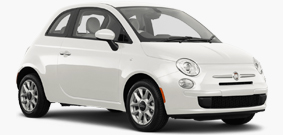

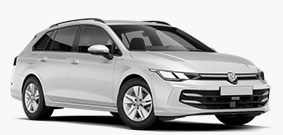


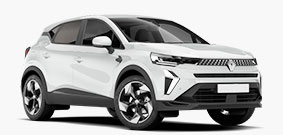
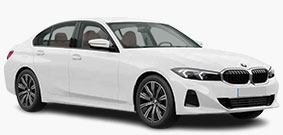

*The prices above are subject to change without prior notice. Since costs vary by vehicle class, dates, supplier, and season, we recommend checking real-time rates to get the most accurate price.
Popular Routes
Croatia to Italy route comparison
Times assume free-flowing traffic. There is no passport control on this route, as Croatia, Slovenia and Italy are all in the Schengen Area. On summer weekends, allow an extra 15–20 minutes for traffic and occasional police spot checks near Trieste.
| Route | Distance | Drive Time | Border crossing | Border crossing |
|---|---|---|---|---|
| Zagreb → Trieste (Popular) | ~240 km | 2h 45m | Bregana–Obrežje → Fernetti–Sežana | Main motorway link from the capital; busiest route on this corridor |
| Rijeka → Trieste | ~76 km | 1h 15m | Rupa–Jelšane → Škofije–Rabuiese | Coastal alternative via the A6 corridor; usually quicker than going via Zagreb |
| Umag → Trieste | ~41 km | 40 min | Plovanija–Sečovlje → Škofije–Rabuiese | Shortest hop on the whole route; easiest half-day trip from Istria |
| Zagreb → Venice | ~380 km | 4h 15m | Bregana–Obrežje → Fernetti–Sežana | Long but doable as a day trip; better split with an overnight stop |
| Poreč → Trieste | ~75 km | 1h 20m | Plovanija–Sečovlje → Škofije–Rabuiese | Central Istria’s quickest link into Italy |
| Pula → Trieste | ~111 km | 1h 30m | Plovanija–Sečovlje → Škofije–Rabuiese | Southern Istria’s main route north |
💡
Day trip tip: Umag to Trieste is an easy round trip in under 2 hours of driving, leaving plenty of time to explore Trieste’s old town or swing by Muggia on the way back.
Ready to Book?
Croatia to Italy by Car
Explore Kotor, Budva, Herceg Novi and Podgorica with a rental car approved for international travel. Book today and travel with confidence
At the checkpoint – step by step
Croatia exit – Italy entry
A quick overview of the process involved at each stage of the border to save you from last-minute surprises.
Leaving Croatia
There is no formal border stop. Still, keep your ID or passport within arm’s reach, as random checks can happen on either side.
Passing through Slovenia
The quickest routes pass briefly through Slovenia. No extra paperwork is needed because all three countries have open borders.
Entering Italy
No permanent border checkpoint. You may spot unmarked police cars doing spot checks near the border, especially on the motorway.
Driving rules in Italy
50 km/h in towns, 90 km/h on open roads, 110 km/h on main roads, 130 km/h on motorways (all drop 10-20 km/h in rain). Headlights are compulsory on motorways. Many Italian city centres have ZTL zones (restricted traffic), and entering them without a permit can trigger an automatic fine that may follow you home by post.
Tolls and fuel
Italian motorways charge tolls, so keep cash or a card handy at the barrier. Fuel tends to cost a bit more than in Croatia.
💡
Timing tip: Traffic near Trieste can be heavy on summer weekends. Delays are caused by the amount of traffic, not the border itself. Travel mid-morning or in the evening during July–August to avoid the worst congestion.
Border crossings
What to expect at the checkpoint
The Croatia-to-Italy route by road requires you to pass through Slovenia – pick a crossing that suits your route.
| Ruote | Hours | Typical wait | Notes |
|---|---|---|---|
| Kaštel – Dragonja Recommended | 24/7 | 🟡 15–30 min (up to 1–2 hrs peak summer) | Best option from Istria; connects toward Koper and Trieste |
| Plovanija – Sečovlje | 24/7 | 🟢 10–20 min (up to 1 hr peak summer) | Convenient for Umag and northern Istria before continuing toward Italy |
| Rupa – Jelšane | 24/7 | 🟢 10–20 min (up to 1–2 hrs peak summer) | Practical route from Rijeka and the Kvarner coast toward Trieste |
💡
Timing tip: Since you will need to cross through Slovenia for a road trip from Croatia to Italy, allow extra time for both border crossings. Check live traffic before you leave, particularly on weekends in July and August.
Vehicle Guide
Which car category suits the Croatia to Italy drive?
The A1 and D8 are both well-paved modern roads – this is not terrain that requires anything special. The deciding factor is where you plan to park along the way.
- Family Trip
- Solo drive
- Business Travel
- Long Stay
- Coastal Road Trips
- Eco-Travel
Family Trip: Personalised rental options for families planning trip to Croatia with kids and luggage
Van/Minivan
7-9 seats
Ideal for family journeys and seating everyone comfortably
From €42 /day
Automatic SUV
5 seats
Best for long beyond city routes and handling different terrains
From €22 /day
Full-size cars
2-5 seats
Comfortable city and long coastal drives for groups of 3-4 adults
From €64 /day
Tips for this trip
Solo drive: Ideal for solo adventures below options lean toward smaller, efficient cars
Convertible
2-4 seats
Open top on Croatia’s Adriatic coastline & enjoy scenic views
From €62 /day
Compact Automatic
5 seats
Easily plan multi city trips with reduced stress on steep roads
From €36 /day
Electric Economy Cars
4-5 seats
Smart & sustainable choice for solo city travel
From €48 /day
Tips for this trip
Business Travel: For the right balance between comfort, cost, and professionalism choose from the versatile options below.
Automatic Sedans
4-5 seats
Classic business travel vehicle combining comfort + efficiency
From €48 /day
Standard Cars
4-5 seats
Balance of comfort & space makes them best for business trip
From €32 /day
Tips for this trip
Long Stay: For trips spanning 21 days or more across Croatia, here’s a breakdown of best options.
Monthly rental
Select any vehicle
An affordable option with lower per day prices than daily rentals
From €16 /day
Long Term Car Rental
Varied vehicle options
For substantial savings rent for 3+ weeks
From €22 /day
Automatic Car
4-9 seats
Most reliable for trips on mountainous terrain & coastal hills
From €34 /day
Tips for this trip
Coastal Road Trips: Review our breakdown of the best categories for coastal drives in Croatia.
Convertible
2-4 seats
Ideal for enjoying top-down views of the Mediterranean coastline
From €62 /day
One Way Rentals
Select any car
Pick up in one city, return in another for enhanced flexibility
From €25 /day
Compact SUV
5 seats
Perfect for coastal trips: elevated views & extra space
From €35 /day
Tips for this trip
Eco-Travel: Choose from 3 matching low-emission and eco-friendly options suited for sustainable travel.
Electric Car
4-5 seats
Modern eco friendly EVs to enjoy a greener way of driving
From €55 /day
Hybrid
4-5 seats
Great alternative to traditional gasoline vehicles for long drives
From €35 /day
Small Compact
4-5 seats
These hit the right spot for island hopping & coastal drives
From €34 /day
Tips for this trip
Utilize apps like Chargemap and PlugShare to check real-time availability, charger type, and user reviews for charging points.
Your help hub
Frequently Asked Questions
- Cross-Country & Border Requirements
- Rental Costs & Insurance
- Routes & One-Way Rentals
- Driving in Italy & Trieste
⛴️
Can I take a rental car from Croatia to Italy by ferry?
Usually not. Most suppliers let you take rental vehicles on ferries to Croatian islands, but exclude their fleet from international sea crossings because of tracking and insurance issues. Some select suppliers may allow it, provided you have their explicit prior written approval. A ferry charge may also apply in addition to the rental price, along with a drop-off fee if you’re returning the car in Italy. If your plans allow it, driving through Slovenia is the far more dependable way to get a rental car into Italy.
⚠️ Important: If a supplier approves, make sure it is listed in the rental agreement before you board the ferry.
🔍
Does the cross-border permit cover ferries?
No. A standard cross-border permit for driving a rental car from Croatia to Italy does not automatically cover taking the vehicle on an international ferry, and many suppliers explicitly prohibit it. Croatia and Italy are both EU and Schengen countries, so standard rental cover already extends to driving there by road.
⚠️ Important: A ferry crossing requires the supplier’s permission, so you must confirm before booking and declare travel at the pickup desk if you plan to take the sea route.
🚗
Do I need permission to drive a Croatian rental car through Slovenia?
Yes. Croatia and Italy do not share a direct land border, so you will need to drive through Slovenia briefly and then cross from Slovenia into Italy (near Trieste). You must obtain the supplier’s written authorisation and have cross-border travel details for Italy listed in the rental agreement when collecting the car. A cross-border fee and Green Card may be required to validate multi-country insurance.
⚠️ Important: Unauthorised cross-border travel with a rental car can void your insurance. This can further leave you fully responsible for all costs related to vehicle damage or third-party claims.
🎫
Do I need a Slovenian vignette?
Since 1st January 2026, the coastal expressway section between Škofije and Izola is exempt from the e-vignette requirement until the Koper–Dragonja expressway is completed. Meaning that you don’t need a vignette as long as you drive from the Italian border at Škofije toward Koper and Izola on the H5 and H6 coastal sections. But using other motorways and expressways (such as travelling toward Ljubljana or Maribor) requires a Slovenian e-vignette, a digital pass linked to the number plate rather than a physical sticker.
💡 Tip: Ask your supplier at pickup whether the vignette is included in the cross-country rental from Croatia to avoid paying twice. If not, you can buy it from the official online shop or at a Slovenian petrol station.
🛡️
Does my Croatian rental car insurance cover Italy and Slovenia?
Your Croatia-to-Italy car rental insurance is valid if you informed your supplier at booking or pickup that you plan to drive through or visit Slovenia and Italy. Although all three countries are EU member states with free-flowing road connectivity, the supplier’s prior approval and cross-border declaration are still required.
📌 Note: Policies differ by supplier, so confirm whether you need a Green Card or additional documentation before booking.
🛂
Is there a cross-border fee for driving from Croatia to Italy?
Yes. Suppliers usually charge a per-day or flat fee for cross-country car rentals from Croatia to Italy. The exact amount can vary by supplier and your chosen car type.
| Fee type | Typical range | Notes |
| Cross-border fee | €0–10/day, often capped around €30–50 per rental | Some suppliers waive it entirely for EU-only trips |
| Slovenian vignette | €16 (7-day) | Usually excluded from the fee above |
| Italian motorway tolls | ~€8–15 one-way (e.g. Trieste–Venice on the A4) | Paid at the booth, not charged by your supplier |
📌 Note: Unlike the vignette, Italian toll routes use a distance-based system similar to Croatia.
💶
How much does a Croatia-to-Italy rental car cost?
The booking price for a cross-country car rental from Croatia to Italy depends on whether you plan a round trip or a one-way trip, as well as your travel preferences. Otherwise, the daily rate for cross-border routes follows a similar seasonal pattern as standard rentals in Croatia.
| Cost item | Typical amount |
| Daily rate (economy–compact) | €16–85/day, depending on season |
| Cross-border fee | €0–50 per rental – many suppliers waive it for EU-only trips |
| Green Card / EU insurance cover | Usually included – confirm with supplier |
| Slovenian vignette (transit) | €16 for a 7-day pass |
| One-way drop-off fee (if returning in Italy) | €400+ per rental |
📌 Note: A cross-border fee usually applies. Enter your travel details in the booking form above to view live quotes for suitable deals.
💳
How much deposit is required for a cross-border rental from Croatia to Italy?
Suppliers hold a security deposit on the main driver’s credit card at pickup. The exact deposit amount is based on your chosen car type, insurance level, and intended cross-border destination. The deposit is temporarily blocked until you return the car in the same condition as when you collected it.
| Car category | Typical deposit |
| Economy – compact | €200–400 |
| Mid-size – SUV | €400–800 |
| Premium – luxury | €800–1,500+ |
📌 Note: The suppliers use this temporary hold to cover potential financial risks like unpaid tolls, traffic tickets, missing fuel, or collision damage.
🚗
Can I take a rental car from Zadar to Ancona, Italy?
Not by ferry. Most Croatian suppliers don’t allow their cars on the international sea crossing. By road, there is no direct route either, since Ancona is located across the Adriatic. Meaning that you will need to drive up through Slovenia instead.
| Option | Feasible? | Notes |
| Rental car on the ferry | Rarely | Most suppliers exclude international sea crossings – confirm before assuming |
| Drive via Slovenia | Yes, but long | No direct route; several extra hours versus the ferry crossing |
| Pick up closer to Italy (Zagreb or Istria) | Yes | Cuts total drive time significantly |
| Ferry as a foot passenger, rent a car in Ancona | Yes | Sidesteps the cross-border car issue entirely |
💡 Tip: If your dates are flexible, picking up in Zagreb or Istria instead of Zadar is the easiest way to shorten the drive, or take the ferry yourself and rent a car on arrival in Ancona.
🔁
Can I pick up a car in Zagreb and drop it off in Venice?
Yes, you can book a one-way rental for this cross-border route, though availability is more limited than pickups and drop-offs within Croatia. As a popular weekend destination from Zagreb, Venice is one of the more commonly offered international one-way routes.
| Route | Distance | Typical one-way fee | Notes |
| Zagreb → Venice | ~380 km | €100–250 | Most commonly offered; book well ahead in summer |
| Rijeka → Trieste | ~76 km | €60–150 | Shortest one-way route; good for a quick coast-to-coast hop |
| Zagreb → Trieste | ~240 km | €80–200 | Fewer drop-off points than Venice, but a shorter drive |
| Pula → Venice | ~280 km (via Slovenia) | €90–220 | Popular from Istria; check if the ferry-adjacent land route suits your dates better |
⚠️ Important: Not all suppliers allow cross-country rentals; others may only allow round trips. Confirm travel requirements before booking, and book a one-way rental well in advance. Plan to drop the car off at an airport or mainland location (like Mestre or Marco Polo Airport), as Venice’s historic centre is completely car-free.
🚧
Are there tolls when driving from Croatia to Italy?
Yes, both Croatia and Italy use a similar toll system. One stretch in Slovenia on this route is now toll-free, but you will need an e-vignette for inner Slovenian roads.
| Country | Toll system | Typical cost |
| Croatia | Pay-per-distance at toll booths (cash or card) | Varies by route; a few euros to ~€10 on longer motorway stretches |
| Slovenia | E-vignette on motorways – but the coastal expressway (Škofije–Koper–Izola) no longer needs one as of Jan 2026 | €16 for 7 days, only if your route uses Slovenia’s other motorways/expressways |
| Italy | Pay-per-distance at toll booths (cash or card) | ~€8–15 one-way for a short hop like Trieste or Venice |
⚠️ Important: The need for a Slovenian vignette depends on your route. The coastal exemption is temporary, so check the latest rules before you travel.
🅿️
Where can I park a rental car in Trieste?
Trieste’s historic core is compact, with supervised garages sitting just outside it. Travellers can park close enough to walk in, but outside the zones drivers should avoid. Metered street parking is also available around the centre, priced by zone.
| Parking type | Where | Notes |
| Supervised garage | Near the port / Rive area | Safest option; avoids any restricted-zone risk entirely |
| Metered street parking | Blue-lined zones around downtown | Priced per hour, varies by zone |
| Park & walk | Outer neighbourhoods | Cheaper or free, but a longer walk into the centre |
🚦
Does Trieste have ZTL zones? Can I drive a rental car in the city centre?
Yes. Trieste has two restricted traffic zones covering its historic centre. Zone A is closed to nearly all private cars at all times. Zone B is accessible on weekends. Cameras enforce both, and a fine arrives by post if you drive through without an authorised permit. It is easy to enter by mistake, as there is no gate or physical barrier to warn you first.
| Zone | Access | When |
| Zone A | Closed to private cars, with few exceptions | At all times |
| Zone B | Open to general traffic | Weekends (Saturday midnight to Sunday midnight) |
💡 Tip: The safest approach is to park outside both zones and explore the centre on foot. The area is walkable and covers comfortably, and it avoids any risk of a fine landing weeks after you have already returned the car.
🚧
Are Italian tolls included in a Croatia rental car?
No. Italy follows a distance-based motorway toll system rather than a vignette, and it is charged separately from your rental. You can usually pay at toll booths using cash or card, as you exit the motorway.
💡 Tip: Keep some cash or a card set aside specifically for Italian tolls. Not every booth takes contactless, and lanes marked “Telepass” are for pre-registered transponders only, not general card payment.
Still have a question?
Our support team is available 24/7 via chat, email, and phone.
Explore More
Top Locations, Airports and Companies
Aqestic optio amet a ququam saepe aliquid voluate dicta fuga dolor saerror sed earum minus dolor amnet quisque saepe sollicitudin feugiat
- Car Rental Airport
- Car Rental Cities
- Car Rental Bus & Train Station
- Car Rental Companies
- Car Rental Port/ACI Marina
| Airport | Code | From | Best for |
|---|---|---|---|
| Dubrovnik Airport Book Early | DBV | €4/day | South Dalmatia |
| Osijek Airport | OSI | €13/day | Northeastern Croatia |
| Pula Airport Popular | PUY | $7/day | Istria |
| Rijeka Airport | RJK | €7/day | Coastal Road Trips |
| Split Airport Most popular | SPU | €5/day | Central Dalmatia |
| Zadar Airport | ZAD | €9/day | National Parks |
| Zagreb Airport Lowest rate | ZAG | €4/day | Nationwide Road Trips |
| City | Region | From | Note |
|---|---|---|---|
| Biograd na Moru | Dalmatia | €40/Day | Nautical hub |
| Čakovec | Northern Croatia | €/17 day | Historic Međimurje center |
| Cavtat Quiet alternative | Dubrovnik Riviera | €27/day | Quiet seaside resort |
| Dubrovnik Plan parking | South Croatia | €26/Day | Access ban in old town |
| Karlovac | Central Croatia | €15/day | River junction city |
| Kastela | Dalmatia | €20/day | Bay coast town |
| Mlini | Dubrovnik Riviera | €38/Day | Peaceful Riviera village |
| Opatija | Kvarner | €27/day | Historic seaside resort |
| Osijek | Slavonia | €15/Day | Cultural center |
| Porec | Istria | €26/Day | Popular seaside resort |
| Pula Cheapest | Istria | €7/day | Roman sites & wine |
| Rabac | Istria | €40/day | Scenic resort town |
| Rijeka | Central Croatia | €12/day | Port city base |
| Rovinj | Istria | €13/day | Romantic coastal town |
| Samobor | Central Croatia | €15/Day | Charming market town |
| Seget Donji | Dalmatia | €35/Day | Quiet coastal village near Trogir |
| Sesvete | Slavonia | €41/Day | Large Zagreb suburb |
| Slano | Southern Croatia | €30/Day | Peaceful coastal bay |
| Split Great value | Dalmatia | €8/Day | Ferry access |
| Srebreno | South Croatia | €30/Day | Coastal bay suburb |
| Trogir | Dalmatia | €26/Day | UNESCO old town island |
| Umag Downtown | Istria | €13/day | Northern coastal gateway |
| Vela Luka | Dalmatia Islands | €25/day | Island port town |
| Zadar Great value | North Dalmatia | €8/Day | Islands nearby |
| Zagreb Best value | Central Croatia | €5/day | Best value |
| Station | City | From | Tip |
|---|---|---|---|
| Dubrovnik Bus Station Book early | Dubrovnik | €29/day | Book early for peak season |
| Rijeka Train Station | Rijeka | €40/day | Convenient city center pickup |
| Split Train Station Ferry connection | Split | €32/day | Steps from the ferry port |
| Zagreb Bus Station Lowest rate | Zagreb | €26/day | Great for eastern highway access |
| Zagreb Train Station | Zagreb | €32/day | Walk to downtown hotels |
| Supplier | Type | From | Fleet | Rating |
|---|---|---|---|---|
| Active | ⭐ 8 | |||
| AddCar | ||||
| Alamo Top rated | International | €25/day | Economy, SUVs, Minivans, Full-size | ⭐ 9.4 |
| AutoUnion | ||||
| Autowill | ||||
| Avant Car | ||||
| Avia Rent a Car Cheapest | Local | €15/day | Compact, Economy, Standard Sedans | ⭐ 8.8 |
| Carwiz | ||||
| Dollar Thrifty Automotive | ||||
| Enterprise Top rated | International | €24/day | Compact, SUVs, Sedans, Luxury | ⭐ 9.4 |
| Europcar | International | €22/day | Compact, Executive, Vans | ⭐ 7.8 |
| Firefly | ||||
| Goldcar | ||||
| Green Motion | ||||
| Hertz Premium choice | International | €28/day | SUVs, Hybrids, Sedans | ⭐ 8.7 |
| Keddy by Europcar | ||||
| Mack | Local | €18/day | Economy, Compact, Intermediate, SUVs | ⭐ 8.6 |
| National | ||||
| North Car Rental | ||||
| Nova | ||||
| Oryx | ||||
| Prestigio Rent a Car | ||||
| Routes | ||||
| Sixt | International | €26 / day | Luxury Sedans, SUVs, Convertibles | ⭐ 9.2 |
| Street Rent a Car | ||||
| Surprice | ||||
| XL Rent a Car |
| City | Region | From | Note |
|---|---|---|---|
| ACI Marina Dubrovnik | South Croatia | €32/day | Marina base |
| ACI Marina Korčula Island favorite | Dalmatia Islands | €32/day | Island hub |
| ACI Marina Slano | South Croatia | €42/day | Quiet bay harbor |
| ACI Marina Split Lowest rate | Dalmatia | €27/day | Coastal port pickup |
| Split Port Lowest rate | Dalmatia | €27/day | Ferry access |

Car Rental Croatia
Josip Stjepan – Croatia Travel & Car Rental Specialist
Josip spent a decade coordinating vehicle logistics for Jadrolinija’s ferry network, matching rental cars to sailing schedules for Hvar, Brač, and Korčula. The job gave him insider insights into where exactly rental companies quietly pass costs onto tourists. Drawing from his extensive knowledge of Croatia’s ferry network, coastal routes, and driving conditions, he helps travellers compare rental options, plan efficient itineraries, understand toll roads, avoid unnecessary fees, and prepare for cross-border travel.
How this content is created:
- Based on real ferry and route data
- Reviewed by a local Split-based specialist
- Updated regularly for seasonal pricing changes